
Building Brand Entity for AI Recognition
A brand entity is the machine-readable profile AI systems use to identify your business. Consistent signals like structured data let AI cite you.
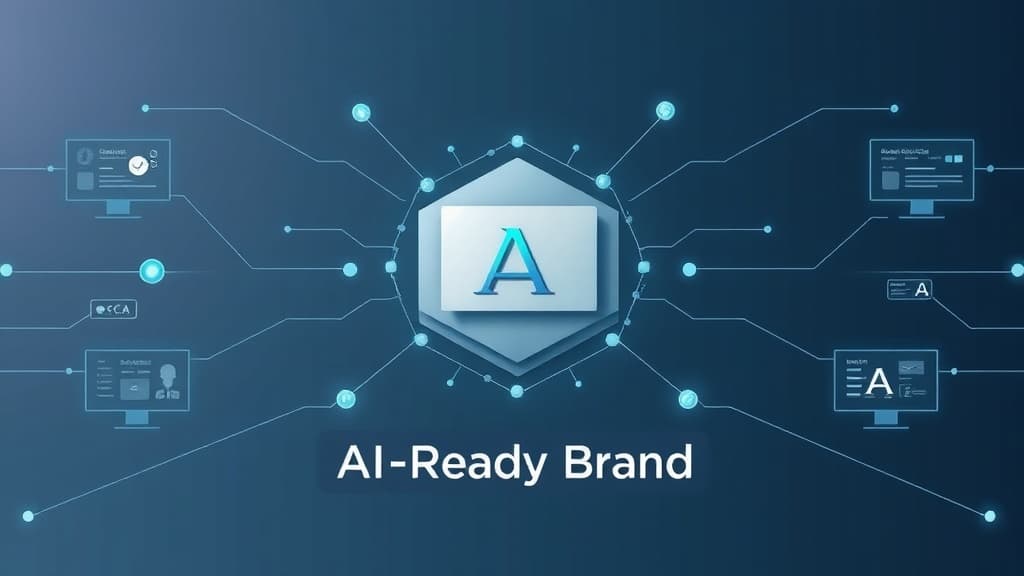
TL;DR: A brand entity is the machine-readable profile AI systems use to identify your business as a distinct, trustworthy concept. Consistent signals like NAP data, structured data, Wikidata entries, and authoritative mentions are what let AI cite you in its answers.
A brand entity is how AI and search engines recognise who you are, what you do, and how authoritative you are in your category. It relies on verifiable signals such as structured data, knowledge-graph entries, and reputable co-mentions rather than keyword matching alone.
What Is a Brand Entity in AI Search?
A brand entity is a distinct, machine-readable profile that AI models like ChatGPT, Gemini, and Perplexity use to decide whether to mention, cite, or recommend a brand. When a model cannot locate a clear entity profile, it leaves the brand out of its answer.
Search engines treat entities as the fundamental building blocks of knowledge. For a business, a strong entity links your brand to its industry, location, key people, products, and authoritative mentions. Without those links, you may rank well for keywords yet stay invisible in AI-generated answers.
How Do AI Models Build Your Brand's Entity Profile?
AI models map relationships between entities in a knowledge graph, pulling data from your website, social profiles, Wikipedia, Wikidata, industry directories, and news articles. Each contextual mention adds a connection that strengthens the entity.
Ground-truth sources such as industry authorities, major databases, and reputable publications act as reference points. Brands with rich, multi-source entity graphs get cited far more often. Our AI search visibility audits pinpoint your strong signals and your gaps.
Entity SEO vs Keyword SEO: What Actually Changes
Keyword SEO optimises content for specific search terms to rank in the traditional blue links. Entity SEO establishes your brand as a recognised concept that AI can understand and cite, even when the query does not match your exact keywords.
Think of keyword SEO as matching strings and entity SEO as treating your brand as a node in a knowledge graph. The two work together, but only entity SEO gets your brand into AI-driven answers.
How to Measure Your Current Brand Entity Strength
Run these six free checks to establish a baseline.
- Google Knowledge Panel test. Search your brand name; a populated panel shows Google recognises you as an entity.
- Direct AI query test. Ask ChatGPT, Perplexity, Gemini, and Claude "Who is [your brand] and what do they do?" Note whether the answer is accurate.
- Wikidata and Wikipedia check. Verify whether an entry exists for your brand.
- Organization schema validation. Use Google's Rich Results Test to confirm valid Organization structured data on your homepage.
- Branded search trends. Review branded queries and direct traffic in Google Search Console.
- Citation monitoring. Set up Google Alerts and use Ahrefs or Semrush to track linked and unlinked mentions.
If several checks fail, your entity profile is fragmented and AI systems are unlikely to cite you.
The Step-by-Step Framework to Build Your Brand Entity for AI Recognition
A trustworthy entity comes from a deliberate sequence, not a one-off schema update.
- Lock down consistent NAP. Keep your name, address, and phone number identical across Google Business Profile, LinkedIn, Yelp, industry directories, and your website footer, then embed it in JSON-LD Organization schema.
- Implement Organization schema with sameAs links. Add JSON-LD on your homepage pointing to verified profiles: LinkedIn, X, Facebook, Crunchbase, YouTube, and niche platforms.
- Claim or create a Wikidata entry. Populate it with sourced statements. A Wikipedia article is stronger, but only pursue it once you have enough independent coverage.
- Publish detailed About and team bios. Include expertise, credentials, and links to professional profiles. Each person becomes a sub-entity that reinforces brand authority.
- Pursue digital PR and co-occurrence placements. Earn mentions alongside recognised authorities in industry publications and news articles. Our digital PR team can secure these links.
- Get listed in trusted industry directories. Cover associations, review platforms (Trustpilot, G2, Capterra), and vertical directories that AI treats as reference points.
- Automate ongoing monitoring. Use an n8n workflow to track new mentions, schema errors, and AI query results on a recurring basis.
Common Brand Entity Misconceptions That Waste Time and Budget
"Adding schema markup is enough." Schema provides facts, but AI still needs external corroboration from multiple sources before it trusts them.
"Entity building is a one-time project." Changes in your business details, competitors, or AI training data can degrade your signals. Regular verification is required, much like a technical SEO audit.
"Only large brands can build strong entities." Data consistency and authority matter more than size. A local service with accurate NAP, solid schema, and local news mentions can rank in AI answers for local queries.
"Entity SEO replaces traditional SEO." Both work together. Keyword SEO drives traffic; entity SEO gets AI to cite your brand in conversational answers.
Key Takeaways
- A brand entity is a machine-readable profile built from consistent data, not keywords.
- AI cites brands it recognises with confidence, and inconsistent NAP or missing schema erodes that confidence.
- You can check your entity strength today with simple Google Knowledge Panel and AI query tests.
- Entity building is ongoing, so monitoring and maintenance are essential.
- Small businesses can build strong entities through data consistency and niche authority.
FAQ
What is a brand entity for AI?
A brand entity is a distinct, machine-readable profile that AI systems use to understand who a brand is, what it does, and how it connects to other concepts. Models cite brands only when that profile is complete and confident.
Why does brand entity matter for AI search?
AI tools like Perplexity, Google AI Overviews, and Claude cite brands they trust. Without a clear entity, a brand is left out even if it ranks well in traditional search.
What are entity signals?
Entity signals include consistent NAP, Organization structured data, Wikidata and Wikipedia entries, authoritative mentions, and co-occurrence with recognised entities. Each one adds confidence to the AI-built profile.
How is entity SEO different from keyword SEO?
Keyword SEO targets specific search terms to rank in blue links. Entity SEO optimises for concepts, relationships, and verifiable facts so AI models recognise and cite the brand in conversational answers.
Can small businesses build strong brand entities?
Yes. By locking down NAP accuracy, implementing schema, earning niche mentions, and listing in trusted directories, small businesses can build AI-ready entities.
How long does it take to build a recognisable brand entity?
Initial gains from schema fixes and NAP consistency show within weeks. Broader authority through PR, Wikidata, and ongoing monitoring typically spans months and needs continuous upkeep.
Want help building your brand's entity signals for AI recognition? Talk to the 365Digital team.
Written by the 365Digital team, a group of SEO strategists, automation specialists, and content marketers helping businesses grow their organic and AI search visibility since 2013.