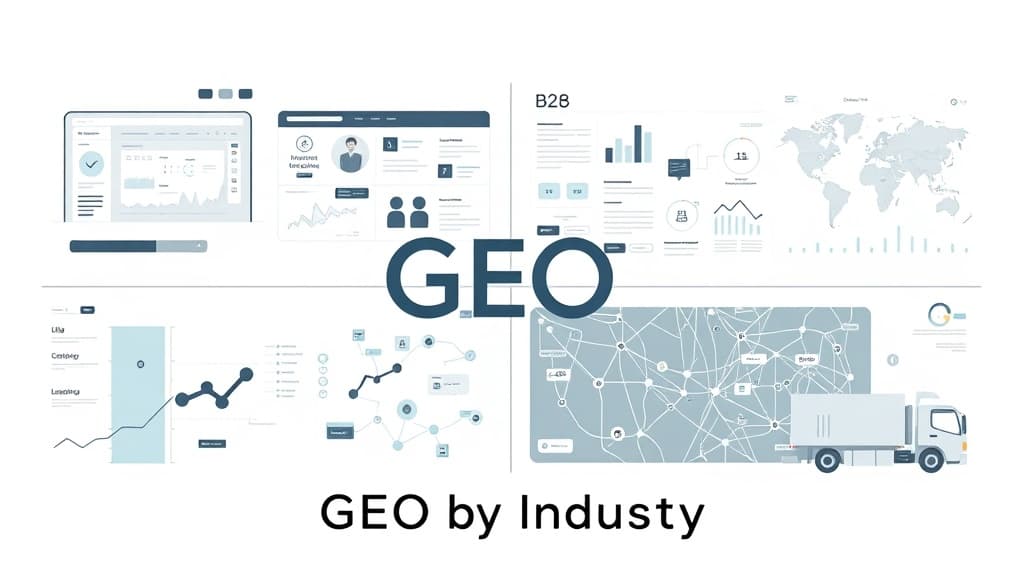
GEO for Different Industries: Healthcare, E-commerce, B2B & Local
GEO tactics differ by industry: healthcare needs compliance, e-commerce needs product data, B2B needs specs, and local needs entity signals. No single checklist works.
29 posts

GEO tactics differ by industry: healthcare needs compliance, e-commerce needs product data, B2B needs specs, and local needs entity signals. No single checklist works.

Branded GEO optimizes your digital footprint so AI tools describe your brand accurately. Learn the four-step framework to control AI narratives.

Predictive SEO uses AI to forecast rising queries, letting you publish ahead of demand. It requires strategist interpretation, not algorithm prediction.

llms.txt is a proposed markdown file for AI systems. No major LLM confirms reading it yet, but it takes under an hour to build with no downside.

AI brand reputation monitoring tracks what large language models say about your company. Fix errors by updating source content and structured data.

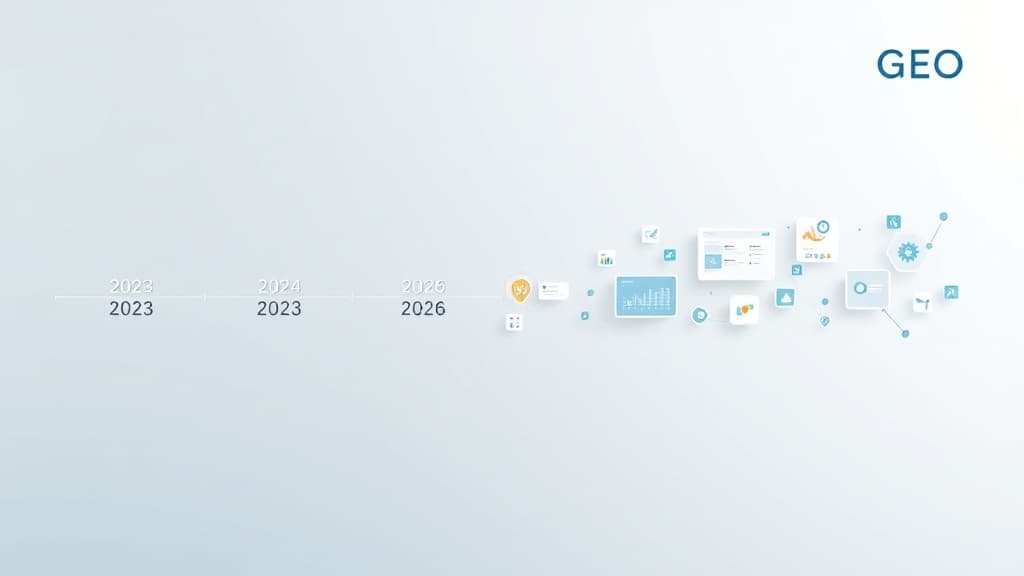
GEO emerged between 2023 and 2026 as AI chatbots began answering queries directly. It evolved from an academic term into a measurable discipline with new tools.

GEO for B2B structures content so AI tools cite your brand during vendor research. Winning requires comparison pages and case studies optimized for AI citations.

AI Overviews can slash click-through rates by up to 89%. Learn to diagnose the problem in Search Console and recover clicks by restructuring content.

A GEO strategy runs in five phases: audit AI mentions, prioritize gaps, restructure content around entities, add schema, and monitor citations monthly.

GEO myths assume AI search behaves like SEO, but ranking #1 doesn't guarantee citations. AI visibility requires concise extractable answers and structured data.

AI search adoption surged in 2026 with Google AI Mode hitting 1B users. Marketers must shift from CTR to share of model as GEO market growth accelerates.

ChatGPT, Perplexity, and Gemini retrieve content differently. Optimize for entity clarity, freshness, and technical SEO to align platform strengths on a shared foundation.

AI engines cite listicles for 35.6% of queries and product pages for 46-70% of commercial intent. Traditional blogs capture only 3-6% without optimization.

A brand entity is the machine-readable profile AI systems use to identify your business. Consistent signals like structured data let AI cite you.

Local GEO optimization structures business data and reviews so AI assistants name you with confidence. It relies on entity signals and structured data.

AI search optimization structures product data for AI engines like ChatGPT. Prioritize schema, real-time feeds, and conversational content to capture queries.

Information gain SEO measures value added beyond existing sources. Earn AI citations by publishing proprietary data, contrarian analysis, or firsthand experience.
Track GEO performance by separating AI answers from citations. Use GA4, Search Console, and manual testing across four platforms to measure real impact.

Semantic SEO for AI search structures content around clear entities and verifiable claims so large language models can cite it directly.

BLUF means stating your answer before context. In SEO and GEO content, your H1 and opening sentence should deliver the direct answer immediately for AI visibility.


Schema markup supplies structured data AI needs to extract and cite content confidently. It raises eligibility by defining entities, authorship, and facts.

Perplexity SEO means structuring content so AI answer engines cite it. Fresh, answer-first pages with clear schema beat backlink-heavy sites for exposure.

You cannot manually create a Google Knowledge Panel. Build entity signals like structured data and Wikidata to influence appearance and claim ownership.

Entity authority measures how confidently AI verifies your brand. Build it with consistent NAP, structured data, and citations for better visibility.

AI Overviews surface for 58% of queries. This guide covers 12 tactics across ranking, structure, and schema to turn high-ranking pages into AI-ready assets.

ChatGPT only cites sources during live web searches. Optimize your content with direct answers, schema markup, and named data to earn AI citations.

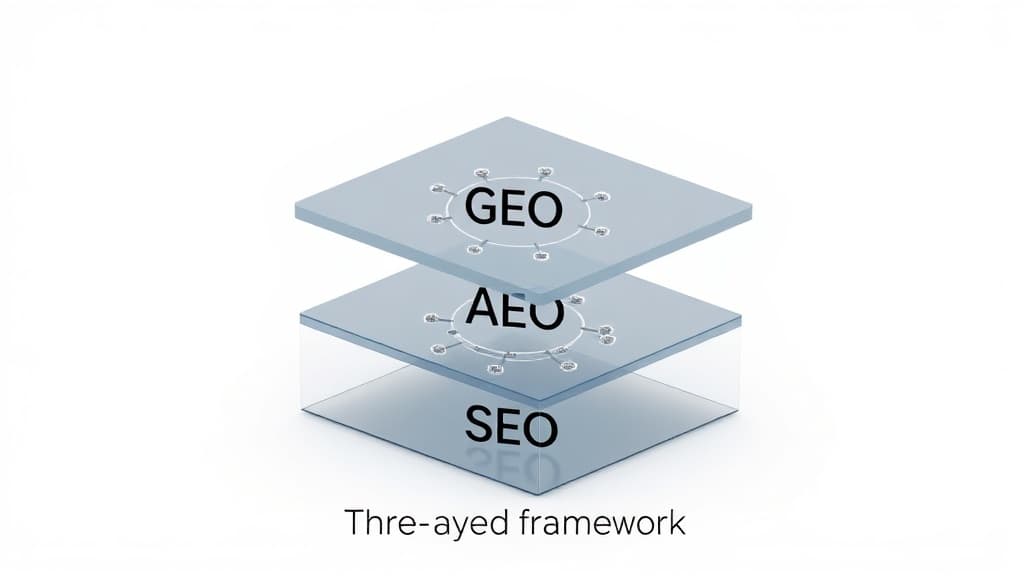
SEO builds the foundation, AEO formats content for answer engines, and GEO positions your brand as the cited source for generative AI growth.

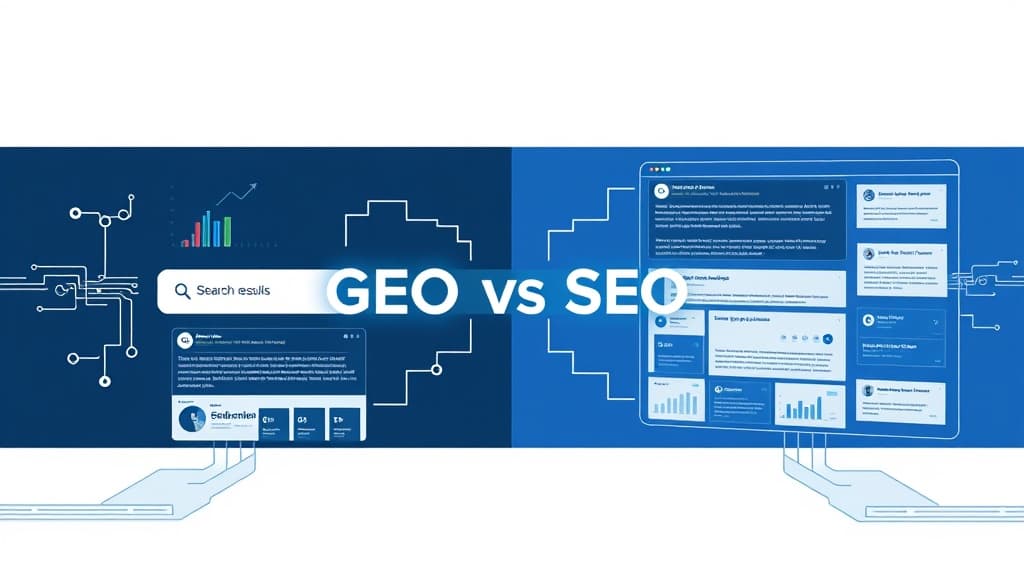
SEO drives organic clicks while GEO secures citations in AI answers. Both share technical foundations but target different visibility channels for impact.